Top Must-Read Books to Master Tourist Guide Interpretation and Boost Your Travel Career

webmaster

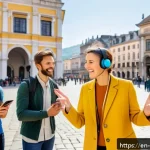
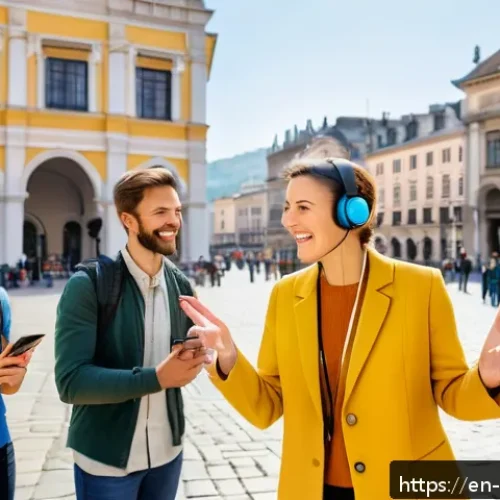
관광통역안내사와 관련된 인기 책 추천 - A professional tour guide engaging a diverse international group in an outdoor historical city squar...

As the travel industry rebounds with renewed energy, the role of a skilled tourist guide has never been more vital. Whether you’re just starting out or looking to elevate your career, mastering interpretation techniques can set you apart in this competitive field.

관광통역안내사와 관련된 인기 책 추천 관련 이미지 1

Today, I’m excited to share a curated list of must-read books that have transformed my approach to storytelling and guest engagement on tours. These insightful reads blend practical tips with inspiring narratives, helping you connect deeper with travelers and unlock new opportunities.

If you’re ready to captivate your audience and boost your travel career, this guide is your perfect starting point. Let’s dive into the world of expert interpretation and elevate your guiding skills together!

Unlocking the Power of Storytelling in Guided Tours

Crafting Narratives That Resonate

One of the biggest shifts I noticed in my guiding career came when I started to think of each tour as a unique story rather than just a list of facts.

Storytelling isn’t about reciting dates or names; it’s about weaving those details into narratives that spark curiosity and emotion. For example, instead of just mentioning the year a monument was built, I share anecdotes about the people involved or the cultural tensions at the time.

This approach transformed my tours from dry lectures into engaging experiences where guests feel personally connected. When you tell stories that resonate, visitors remember more, ask more questions, and often share their own related stories, creating a dynamic interaction.

Balancing Information and Entertainment

Finding the sweet spot between educating your audience and keeping them entertained is an art. I’ve learned that overloading guests with dense information early on can cause fatigue, while too much entertainment might dilute the educational value.

What worked best for me was layering the content—starting with an intriguing hook or question, sprinkling in surprising facts, and ending segments with memorable punchlines or open-ended thoughts to keep people thinking.

It’s also helpful to read your group’s energy and tailor your delivery. A lively crowd might enjoy humor and anecdotes, whereas a quieter group may prefer a more reflective tone.

Using Visual and Sensory Details to Enhance Connection

Another tip that truly made a difference was to incorporate vivid sensory descriptions into my narratives. Instead of saying “this garden was popular in the 18th century,” I’d paint a picture of the fragrances of blooming roses and the soft murmur of fountains, inviting guests to imagine themselves there centuries ago.

This sensory immersion helps guests feel transported in time and space, deepening their emotional engagement. I encourage guides to observe the environment closely and bring those small but powerful details into their stories.

It’s those little touches that turn a standard tour into a memorable journey.

Advertisement

Mastering Multilingual Communication for Diverse Groups

Simple Language for Complex Ideas

When guiding international tourists, language barriers can be a real challenge. I’ve found that using clear, simple language without jargon or overly complex sentences is essential.

Instead of assuming everyone understands technical terms, I break down ideas into relatable concepts. For instance, when explaining architectural styles, I compare unfamiliar terms to everyday objects or styles guests might recognize from their own culture.

This method not only improves comprehension but also builds rapport, showing that you care about their experience and understanding.

Non-Verbal Communication’s Role

Body language, facial expressions, and gestures become especially critical when words fall short. I pay close attention to my posture, eye contact, and hand movements to emphasize key points and convey enthusiasm.

Smiling, nodding, and using open gestures invite guests to feel welcomed and engaged. On a practical level, pointing to landmarks or using props can clarify complex explanations.

I once noticed a group struggling with a historical timeline, so I used a simple hand movement to indicate the flow of time, and suddenly the concept clicked.

These non-verbal cues help bridge gaps and keep the group connected.

Leveraging Technology for Real-Time Interpretation

Modern guiding often involves tech tools like wireless headsets or translation apps, which I initially hesitated to use but later embraced fully. These devices allow guests to hear explanations in their native languages simultaneously, improving accessibility and comfort.

Using such technology requires practice to maintain natural interaction, but the payoff is huge—guests stay focused without straining to hear or translate mentally.

I recommend experimenting with different systems and integrating them seamlessly into your tour flow so they feel like an enhancement rather than a distraction.

Advertisement

Building Emotional Intelligence to Enhance Guest Experience

Reading Group Dynamics

No two tours are the same because every group brings its own energy and dynamics. Developing emotional intelligence helped me immensely in sensing the mood and adjusting my tone or pace.

For example, on a chilly morning, I noticed guests were quieter and less responsive, so I switched to shorter stories and interactive questions to warm up the group.

Conversely, during sunny afternoons, I could afford longer narratives and humor. Tuning into these subtle cues ensures the group stays engaged and comfortable throughout.

Handling Difficult Situations Gracefully

Occasionally, you’ll encounter challenges like disruptive guests, language confusion, or unexpected delays. My experience taught me that staying calm and empathetic is key.

When a guest asked a question that I wasn’t prepared for, admitting honestly and promising to follow up later built trust. If tensions arose between participants, redirecting attention to a shared interest or neutral topic defused the moment.

Emotional intelligence isn’t just about managing others; it’s also about self-awareness and maintaining your own composure so you can lead effectively.

Creating Lasting Connections Beyond the Tour

The best guides don’t just deliver information—they create memories and friendships. I’ve found that showing genuine interest in guests’ backgrounds and encouraging them to share their stories enriches the experience for everyone.

Sometimes, simple gestures like remembering someone’s name or following up with personalized recommendations make a huge impression. These connections often translate into positive reviews, repeat bookings, and even invitations to speak at events.

Emotional intelligence transforms guiding from a job into a meaningful exchange.

Advertisement

Enhancing Practical Skills with Guided Tour Techniques

Effective Time Management on Tours

One aspect that often trips up new guides is managing time without rushing or dragging. Over the years, I developed a flexible schedule that includes buffer periods for unexpected questions or photo stops.

Starting and ending on time shows professionalism and respects guests’ plans. I also plan key highlights to ensure everyone sees the most important sites without feeling overwhelmed.

Practicing the route multiple times and adjusting based on group feedback helps refine this balance.

Engaging Diverse Learning Styles

Tour groups often contain a mix of visual, auditory, and kinesthetic learners. To cater to these differences, I combine storytelling with visual aids like maps or images and incorporate interactive elements such as quizzes or hands-on activities.

For example, during an art tour, I encourage guests to sketch or describe their impressions, which deepens their connection to the subject. Recognizing and adapting to these learning preferences makes the tour more inclusive and memorable.

Adapting to Unexpected Changes

Weather, traffic, or site closures can disrupt even the best-laid plans. I always prepare backup routes or alternative stories to keep the tour flowing smoothly.

When a museum unexpectedly closed, I shifted to a walking tour with related historical anecdotes and included local food recommendations. This flexibility not only minimizes disappointment but also showcases your professionalism and creativity under pressure.

Advertisement

Leveraging Cultural Sensitivity for Meaningful Experiences

Understanding Cultural Contexts

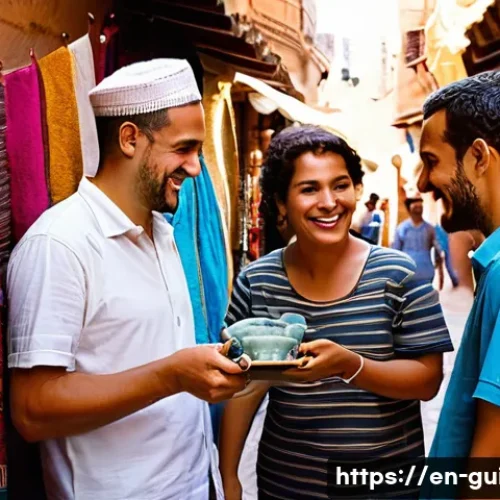
관광통역안내사와 관련된 인기 책 추천 관련 이미지 2

Guiding isn’t just about facts—it’s about respecting and interpreting cultures authentically. I invest time learning the cultural backgrounds of my guests and the places I visit, which helps me avoid stereotypes and present nuanced stories.

For instance, when discussing indigenous sites, I include local perspectives and contemporary issues rather than sticking to colonial narratives. This approach enriches the tour and fosters mutual respect.

Promoting Inclusive Dialogue

Encouraging open conversation about cultural differences can transform a tour into a learning platform. I create space for guests to share their views and ask questions without judgment.

This often leads to lively discussions and deeper understanding. One tour group’s debate about historical events turned into a respectful exchange of ideas that everyone found rewarding.

Facilitating this dialogue requires tact and empathy but pays off in guest satisfaction.

Respecting Local Customs and Etiquette

Being aware of local customs and demonstrating respect sets a positive tone. Simple gestures like removing shoes before entering sacred sites or learning key phrases in the local language show your commitment.

I once had a guest compliment me on knowing a traditional greeting, which sparked their interest in the culture and made the experience more personal.

Such details help build trust with both guests and local communities.

Advertisement

Essential Books That Shaped My Guiding Philosophy

Insights from Classic and Contemporary Texts

Over the years, I’ve immersed myself in a variety of books that blend storytelling, psychology, and travel insights. Titles that focus on narrative techniques helped me develop engaging scripts, while books on intercultural communication improved my sensitivity and adaptability.

One particular favorite emphasized how to craft stories that connect emotionally and intellectually, which I still reference before every tour. These readings provided a solid foundation that I continually build upon.

Applying Lessons to Real-Life Tours

Reading is one thing, but applying these lessons in the field made all the difference. After studying effective questioning techniques, I started incorporating more interactive moments, which sparked lively discussions and kept guests engaged.

Another book’s advice on pacing helped me avoid information overload and maintain energy. The blend of theory and practice refined my style into something both educational and entertaining.

Keeping Up with Industry Trends

The travel industry is always evolving, and staying updated on new guiding methods and technologies is crucial. I subscribe to relevant newsletters and attend webinars that recommend recent publications and innovative approaches.

This habit keeps my skills fresh and relevant, allowing me to meet changing guest expectations and set myself apart in a crowded market.

Book Focus Key Takeaway How It Improved My Guiding
Storytelling Techniques Engage guests emotionally through narratives Transformed tours into memorable experiences
Intercultural Communication Understand and respect cultural differences Enhanced guest rapport and inclusivity
Tour Management Balance pacing and interaction Improved time management and guest satisfaction
Emotional Intelligence Read group dynamics and handle challenges Created smooth, empathetic tour flow
Technology Integration Use tools to aid multilingual communication Increased accessibility and engagement
Advertisement

Strategies for Sustainable Career Growth in Guiding

Building a Personal Brand

In the age of social media, creating a recognizable personal brand is more important than ever. I started sharing highlights of my tours, storytelling tips, and cultural insights online, which gradually attracted followers and potential clients.

Authenticity is key—people want to connect with a guide’s personality, not just their credentials. This visibility led to invitations to collaborate with travel agencies and speak at industry events, expanding my opportunities.

Networking Within the Industry

Connecting with fellow guides, tour operators, and cultural institutions opened doors I didn’t anticipate. I attend local meetups and international conferences whenever possible, exchanging experiences and learning new trends.

These relationships often lead to referrals and joint projects. One memorable collaboration resulted in a themed tour series that boosted my bookings significantly.

Networking is an ongoing investment that pays dividends.

Continuous Learning and Certification

To stay competitive, I pursue additional certifications and specialized training. Recently, I completed a course on eco-tourism interpretation, which broadened my expertise and attracted environmentally conscious travelers.

Continuous learning keeps my skills sharp and signals professionalism to clients. It also provides fresh material and inspiration, preventing burnout and keeping the job exciting.

Advertisement

Incorporating Feedback for Professional Excellence

Encouraging Honest Guest Reviews

I make it a point to ask guests for feedback at the end of every tour, emphasizing that honest opinions help me improve. This openness creates trust and often leads to valuable insights I wouldn’t have noticed otherwise.

For instance, a guest once mentioned that I spoke too fast during a section, prompting me to slow down and clarify terms. Such adjustments enhanced the overall experience.

Using Constructive Criticism to Grow

Not all feedback is easy to hear, but I’ve learned to welcome criticism as a chance to refine my craft. When faced with negative comments, I avoid defensiveness and focus on actionable changes.

This mindset shift transformed challenges into growth opportunities. I also share feedback with peers or mentors to gain perspective and advice, which has been incredibly helpful.

Implementing Feedback Mechanisms

Beyond informal comments, I use structured surveys and follow-up emails to gather detailed feedback. This data helps me identify patterns and prioritize improvements.

For example, recurring requests for more interactive elements led me to design new group activities. Systematic feedback collection ensures I stay aligned with guest expectations and industry standards.

Advertisement

In Conclusion

Storytelling transforms guided tours into unforgettable experiences by connecting guests emotionally and intellectually. Balancing information with engagement, adapting to diverse groups, and continuously refining your skills are key to successful guiding. Embracing cultural sensitivity and leveraging feedback ensures meaningful connections and ongoing professional growth.

Advertisement

Helpful Tips to Remember

1. Craft stories that spark curiosity and emotion, making facts come alive for your guests.
2. Use simple language and clear non-verbal cues to bridge language barriers with international visitors.
3. Pay attention to group dynamics and adjust your tone and pace to keep everyone engaged and comfortable.
4. Incorporate sensory details and interactive elements to deepen guests’ connection to the tour.
5. Continuously seek feedback and professional development to enhance your guiding skills and career.

Key Takeaways for Effective Guiding

Successful tour guiding blends storytelling with cultural respect, clear communication, and emotional intelligence. Managing time well and adapting to unexpected changes keeps tours smooth and enjoyable. Building personal connections and staying updated with industry trends foster long-term career growth. Ultimately, the best guides create memorable, inclusive experiences that resonate well beyond the tour itself.

Frequently Asked Questions (FAQ) 📖

Q: What are the key benefits of mastering interpretation techniques for tourist guides?

A: Mastering interpretation techniques helps tourist guides create more engaging and memorable experiences. It allows you to tell stories that resonate emotionally, making historical facts or cultural details come alive.
From my own tours, I’ve noticed guests become more attentive and appreciative when I use vivid storytelling rather than just reciting facts. This skill also builds your confidence, sets you apart from other guides, and often leads to better tips and repeat bookings.

Q: Can these books help both beginners and experienced guides?

A: Absolutely! Whether you’re new or a seasoned guide, these books offer valuable insights. Beginners will find practical advice on structuring tours and connecting with diverse groups, while experienced guides can discover fresh storytelling techniques and ways to deepen guest engagement.
Personally, revisiting these books even after years of guiding has sparked new ideas and kept my approach dynamic and relevant.

Q: How can improving interpretation skills impact my travel career financially?

A: Improving your interpretation skills can significantly boost your income. Engaged guests tend to tip more generously and leave positive reviews, which attract more clients.
Plus, skilled storytelling can open doors to premium tours or specialized guiding roles that pay better. From my experience, investing time in honing these skills has directly led to higher bookings and opportunities to lead exclusive tours with better pay.

📚 References


➤ Link

– Google Search

➤ Link

– Bing Search

➤ Link

– Google Search

➤ Link

– Bing Search

➤ Link

– Google Search

➤ Link

– Bing Search

➤ Link

– Google Search

➤ Link

– Bing Search

➤ Link

– Google Search

➤ Link

– Bing Search

➤ Link

– Google Search

➤ Link

– Bing Search

➤ Link

– Google Search

➤ Link

– Bing Search

➤ Link

– Google Search

➤ Link

– Bing Search

➤ Link

– Google Search

➤ Link

– Bing Search