Learn how professional tour guides can respond calmly to medical incidents, lost travelers, transport disruptions, and security concerns. Includes escalation priorities, communication steps, and service-selection criteria.
In a tour emergency, protect people first, contact local emergency services when urgent help is needed, and notify the tour operator with clear facts. A guide’s role is to organize the group, communicate calmly, and stay within their training, certification, and local legal scope. Preparation matters because emergency numbers, medical access, reporting rules, and evacuation procedures differ by destination. A practical plan also accounts for different traveler needs, including insurance coverage, accessibility, medication, and language support. For independent guides and small operators, the right first-aid training, travel insurance assistance, and emergency communication tools can make decisions easier under pressure. The goal is not to promise outcomes, but to create a reliable response process before a disruption begins.
At a Glance
- Protect people first: move the group away from immediate danger and confirm headcounts.
- Get the right help: use local emergency services for urgent situations, then follow the operator’s escalation process.
- Communicate and document: share verified facts, protect privacy, and keep a written incident record.
| Readiness Area | What to Compare | Why It Matters in the Field |
|---|---|---|
| First-aid and CPR training | Tour-relevant scenarios, certification scope, refresher options, language accessibility | Helps guides recognize when to call for help without going beyond their training. |
| Emergency communication tools | Mobile data access, backup power, offline maps, translation support, group messaging | Supports coordination when a group is separated, delayed, or unable to reach normal services. |
| Travel medical assistance and liability coverage | 24/7 support, reporting requirements, medical assistance process, evacuation terms, exclusions | Coverage and responsibilities may differ between travelers, guides, operators, and suppliers. |
What to Do in the First Minutes of a Tour Emergency
Secure the group and assess immediate danger
The first task is simple: make the scene safer. Move travelers away from traffic, unstable surroundings, severe weather exposure, or any other visible danger when it is safe to do so. Ask the group to stay together at a clear meeting point and take a headcount.
Do not assume every traveler has the same needs. Someone may require accessibility support, medication, interpretation, or help contacting a family member. Focus on what you can observe, avoid guessing about causes, and keep the group calm with short, direct instructions.
Call local emergency services when urgent help is needed
If urgent assistance is needed, contact local emergency services using the destination’s applicable emergency number. Emergency numbers, access procedures, and medical systems vary by location, so confirm these details before each departure rather than relying on a number used elsewhere.
Give responders the location, the observable situation, the number of people involved, and any immediate access issue. A guide should not provide treatment beyond their training, certification, and local legal scope. If trained assistance is available on site, help responders reach the traveler while keeping unnecessary bystanders away.
Notify the tour operator and keep communication factual
Once immediate safety and urgent contact steps are underway, notify the tour operator through its required escalation channel. Share verified information: where the group is, what happened as observed, who has been contacted, and what support is being requested.
Avoid blame, diagnosis, or promises about reimbursements, medical outcomes, transport replacements, or insurance approval. Operators may have incident-reporting and insurance-notification requirements, so early factual notice can help them coordinate appropriate support.
Build an Emergency-Ready Tour Kit and Contact Plan
Essential documents, contact lists, and meeting-point details
Keep an accessible, current plan for the day’s group. It should include traveler contact details, the itinerary, lodging information where relevant, transport details, and clearly defined meeting points. Accurate information reduces confusion when phones fail, plans change, or travelers become separated.
Use a simple system for identifying the group without exposing more personal information than necessary. Before departure, state the primary meeting point and a backup location. Repeat the plan when entering a large venue, transit hub, crowded street, or unfamiliar district.
Communication tools: mobile data, backup power, translation support, and offline maps
An emergency communication setup should not depend on one phone, one battery, or one internet connection. Consider reliable mobile data access, a backup power source, offline maps, and a group communication method appropriate for the itinerary.
Translation support can also be valuable when travelers, responders, or service providers do not share a common language. Check the tool before departure. In a live emergency, an unfamiliar app or an uncharged device is not a dependable plan.
What to confirm with venues and transport providers before departure
Ask venues, drivers, transport providers, and subcontractors about their own emergency procedures before the tour begins. Confirm practical details such as the meeting location, staff contact method, evacuation instructions, and how they handle disruptions.
Do not assume a supplier’s protocol automatically covers the guide or every traveler. Their liability arrangement, reporting procedure, and emergency role may need separate confirmation through the operator or relevant provider documentation.
Compare Training, Insurance Support, and Safety Services
How to evaluate first-aid and CPR training for tour professionals
For a professional guide, a useful course should be easy to apply in real travel settings. Look for training that explains recognition, escalation, scene safety, and limits of practice. Consider whether the course covers common field realities such as managing a group while waiting for help and communicating with local responders.
Also review certification requirements, refresher availability, the training language, and whether the provider clearly explains what the course does and does not authorize you to do. Training improves readiness; it does not replace local emergency services or medical professionals.
Questions to ask about travel medical assistance and liability coverage
Travel insurance and professional liability coverage can involve different people and responsibilities. Ask whether assistance is available around the clock, how incidents should be reported, what documents may be required, and who is authorized to communicate with the provider.
For traveler-facing plans, do not assume medical care, evacuation, cancellation, or belongings are covered. For guide or operator coverage, do not assume a venue or subcontractor has the same liability arrangement. Read the policy terms and reporting rules before travel, especially when operating across destinations.
When a small operator may benefit from a formal emergency-response provider
A small operator may want additional support when itineraries involve multiple suppliers, remote locations, complex transport connections, or groups with varied language and accessibility needs. A formal emergency-response provider may offer structured assistance, but the fit depends on the service scope, availability, and documentation process.
Compare whether the provider can support your destinations, communicate in needed languages, and coordinate with your existing operator procedures. A service is only useful if the guide knows when and how to activate it.
Field Procedures That Prevent Common Mistakes
Keep headcounts, identities, and incident notes organized
Headcounts should be routine, not reserved for emergencies. Confirm the group at departure, after major stops, before boarding transport, and after any disruption. If someone is missing, establish who was last confirmed present, where, and when.
For incident notes, separate observed facts from assumptions. Record the time, location, people contacted, instructions received, and actions taken. Avoid writing conclusions that you cannot verify.
Avoid medical promises, blame, and unverified updates
Travelers often want immediate answers. Give only the information you know. It is safer to say that help has been contacted or that you are confirming the next transport step than to promise a treatment result, reimbursement, departure time, or insurance decision.
Do not assign fault at the scene. Transport breakdowns, venue closures, medical events, and security issues may involve facts that are not yet available. Keep your language neutral and refer follow-up questions to the appropriate operator, insurer, or provider.

Protect traveler privacy while sharing necessary information
Share personal details only with people who need them for emergency coordination, medical assistance, or required reporting. A traveler’s health information, insurance status, and contact details should not become group announcements.
When updating the rest of the group, explain the operational plan without disclosing private information. For example, state where the group should wait and when the next update will be given.
Response Plans for Common Tour Disruptions
Medical illness or injury
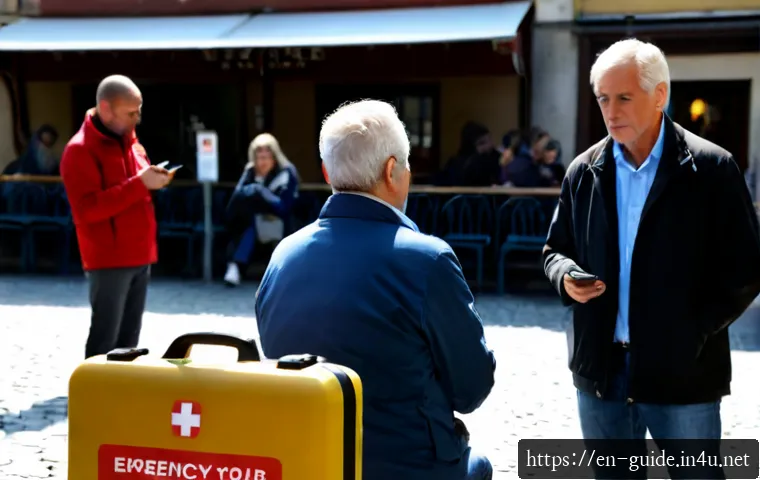
Secure the immediate area, contact local emergency services when urgent help is needed, and follow your training limits. Assign the group a safe waiting point if possible, keep a headcount, and notify the operator with factual details. Do not interpret symptoms as a diagnosis or make promises about medical costs or insurance coverage.
A missing or separated traveler
First, prevent a second problem: keep the remaining group together. Confirm the traveler’s contact details, last known location, intended route, and any agreed meeting point. Attempt contact using the established communication method, then notify the operator and follow local procedures when appropriate.
In an unfamiliar city, avoid sending multiple travelers to search independently. A controlled response with clear roles is safer than a scattered group.
Delays, cancellations, and vehicle breakdowns
Move the group to a safe location and confirm everyone is present. Contact the transport provider and operator, then provide travelers with verified next steps. Keep records of provider communications and any instructions received.
Do not guarantee replacement transport, refunds, or accommodation unless an authorized provider has confirmed them. Travelers may have different travel insurance benefits, and coverage must be checked against their individual policy terms.
Severe weather, security incidents, or evacuation notices
Follow official local instructions, venue procedures, and operator escalation rules. Avoid directing the group toward an area unless the route is confirmed safe by an appropriate authority or provider. Maintain headcounts, use the agreed meeting point if possible, and keep messages short and factual.
These events can change quickly. Recheck official guidance rather than relying on social media posts or unverified reports.
Choosing Your Emergency Readiness Setup: A Practical Comparison Summary
Match preparation level to group size, destination risk, and itinerary complexity
A short city walk with a small group may need a simpler setup than a multi-stop itinerary using several transport providers. Consider group size, destination conditions, language barriers, accessibility needs, route complexity, and the amount of time spent away from easy access to assistance.
The best setup is one your team can actually use: current contacts, clear escalation steps, workable communication tools, and training that matches the guide’s responsibilities.
Compare cost, response availability, language support, and documentation needs
Before selecting a first-aid course, emergency communication tool, travel medical assistance option, or professional liability policy, compare these points:
- Response availability: Is support available when your tours operate?
- Destination fit: Does the service apply where your groups travel?
- Language support: Can guides and travelers communicate effectively during a disruption?
- Reporting process: What must be reported, to whom, and how quickly?
- Documentation: What records, contact details, or incident notes may be needed?
Compare coverage limits, 24/7 support, and reporting requirements before booking. Official plan pages and provider terms are the right place to confirm detailed conditions.
Pre-departure checklist for guides and tour operators
Before departure, confirm the local emergency number, operator escalation contact, traveler contact list, meeting points, transport contacts, venue procedures, and communication backup. Check that devices are charged and that essential route information is accessible if connectivity is limited. Brief travelers on the reunion plan in plain language.
Selection Criteria and Comparison Summary
Choose emergency readiness services based on destination relevance, actual response access, language support, documentation requirements, and the roles covered. Confirm whether first-aid training matches the guide’s field responsibilities, whether communication tools have a realistic backup, and whether insurance assistance procedures are clear. Review the operator’s incident-reporting rules before the first tour, not after an incident. For coverage and service details, check the official provider page and policy documentation directly.
In Closing
Professional emergency response is mostly about priorities: protect the group, obtain appropriate local help, notify the operator, and document facts. A calm guide does not need to have every answer immediately. They need a workable plan, accurate information, and clear boundaries around what they are qualified to do. Regularly reviewing contacts, meeting points, and escalation procedures makes that plan easier to use when conditions are stressful.
Useful Information to Keep in Mind
1. Local emergency numbers and procedures can change by destination.
2. A traveler’s insurance benefits must be confirmed through that traveler’s own policy.
3. Written notes should state what was observed and done, not assumptions about responsibility.
4. Supplier procedures should be confirmed before the tour, especially for transport and large venues.
Important Notes
This article provides general operational guidance, not medical, legal, or insurance advice. Emergency duties, legal scope, reporting requirements, and available services depend on the destination, provider agreements, and individual circumstances. Confirm local procedures, operator requirements, and policy terms before relying on any particular response plan.
Frequently Asked Questions
Q1. What emergency training is most useful for a professional tour guide?
A1. Look for first-aid and CPR training that covers scene safety, recognizing when urgent help is needed, clear escalation, and the limits of a guide’s role. Check the course scope, certification conditions, refresher options, and whether it is practical for tour settings.
Q2. Should freelance tour guides carry travel liability insurance or rely on the tour operator’s coverage?
A2. Do not assume an operator’s coverage applies to every freelance guide, activity, destination, or subcontractor arrangement. Review the operator agreement and relevant policy terms, including reporting requirements and covered roles, before deciding what additional professional liability coverage may be appropriate.
Q3. What should a guide do if a traveler becomes separated from the group in an unfamiliar city?
A3. Keep the rest of the group together, confirm the traveler’s last known location and contact details, use the agreed meeting plan, and notify the operator according to the escalation process. Avoid splitting the group into informal search parties, and follow local procedures if the situation requires further assistance.